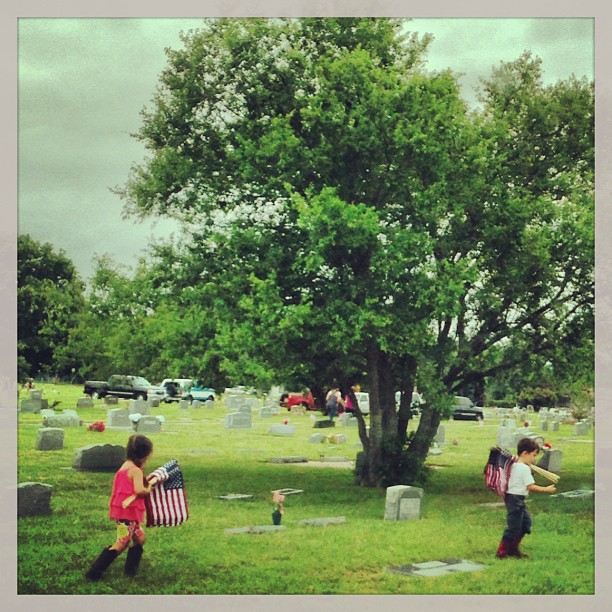
Memorial Day’s Surprising Origins Did you know that Memorial Day began as a remembrance for Union soldiers who lost their lives in the American Civil War (1861-1865)? After World War I, this federal holiday was changed to honor all men and women who lost their lives in any US military conflict. Before that, Memorial Day was all about the north! Decoration Day Memorial Day was originally called Decoration Day. The word “decoration” refers to flags and bouquets with which citizens decorated the graves of fallen soldiers. This name wasn’t changed until after World War II. Why is Memorial Day in…
Category: Cemeteries & Symbolism
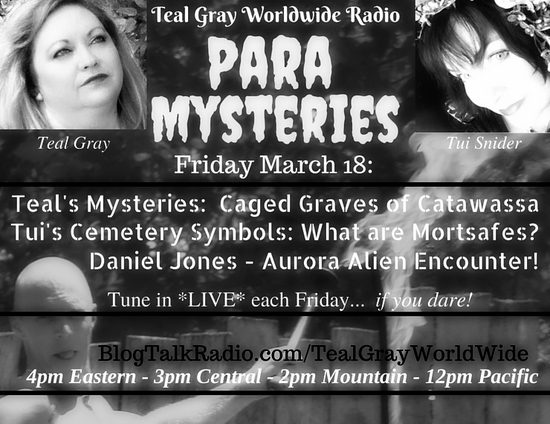
FREE Cemetery Symbols Guide: Would you like a FREE guide to historic cemetery symbolism? If so, click the image below: Historic Cemetery Symbol of the Week This week’s Historic Cemetery Symbol post is about mortsafes and Resurrectionists. The topic was inspired by my friend, Teal Gray, when she told me about the mysterious Caged Graves of Catawassa. In fact, Teal and I will be discussing everything in this post during a one-hour radio show, as you can see in the graphic below: Historic Cemeteries: Who were the Resurrectionists? These days, people often make arrangements to donate their body to science…
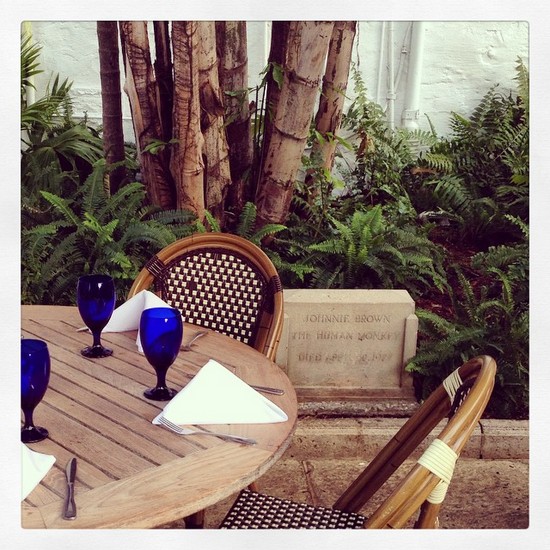
2 Graves at an Italian Restaurant? Voted #3 in a list of the Top 10 Iconic Streets in the USA, Worth Avenue is an upscale shopping street in the resort town of Palm Beach, Florida. So why are there two graves on Worth Avenue – one for a monkey and the other for a dog – tucked away in the courtyard of an Italian restaurant? Jazz Age eccentric: Addison Mizner It all starts with Addison Mizner (1872-1933) a quirky architect who settled in South Florida in 1918 after having lived all over the world, including China, New York, Guatemala, Alaska, and…
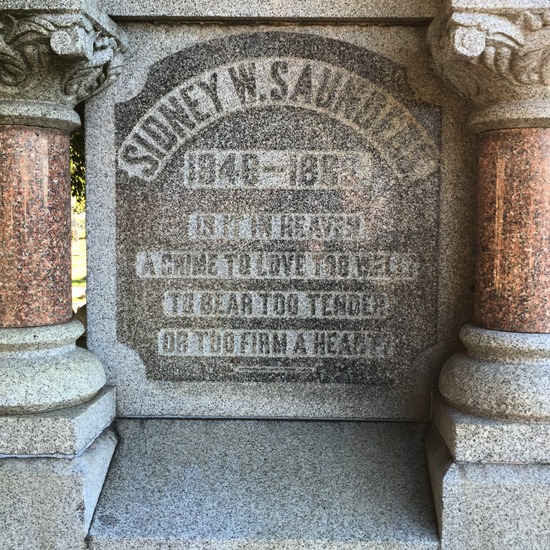
The Tale of Annie & Sidney Saunders For Valentine’s Day, I bring you this tale of a lovelorn widow tormented by malicious gossip, who used her husband’s grave to set the record straight: In the late 1800’s, Sidney Saunders was a wealthy grocer and saloonkeeper in Monroe, Louisiana. Like any successful businessman, Mr. Saunders had detractors. In his case, many townspeople suspected that the bulk of his fortune came from illegal channels, including brothels and gambling. But the gossips really had a field day when Sidney Saunders left on business and returned with Annie E. Livingston on his arm. Although they claimed…
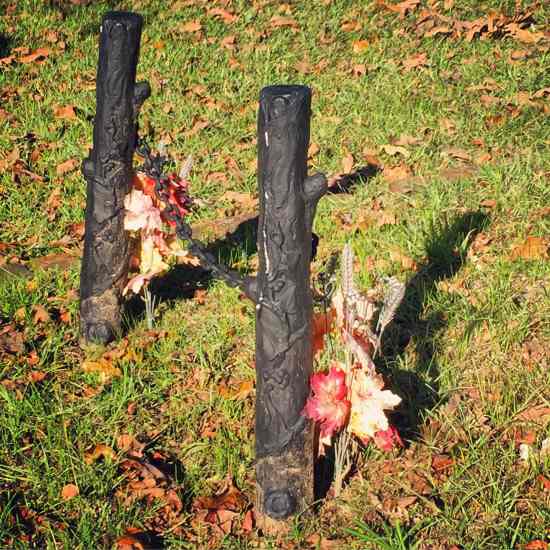
Strange and unusual historic grave in Jefferson, Texas Here’s a grave marker that is quite strange and unique. In fact, I’ve never come across a similar arrangement! The following is an adapted excerpt from my book of historic cemetery tales called 6 Feet Under Texas. (And to learn more about Understanding Cemetery Symbols, check out my book.) East Texas Frenemies Although they lived roughly 80 years before the word was coined, it’s hard to think of a better example for the word “frenemy” than the lives of Jesse Robinson and Bill Rose. The two men lived in the east Texas town…

Historic Cemetery Symbols While it’s common for evergreen trees to be planted in historic graveyards, pine needles and pine cones are not symbols I see engraved on headstones as often as other trees – such as the oak tree. Pine trees: Immortality While it’s true that many coffins have been made from pine, this had more to do with practicality than symbolism. Where pine trees were widely available, they were often used to make coffins. However, as a symbol (much like other evergreens, including holly, ivy, and yew) pine trees are associated with immortality and eternal life. Rather than lose…