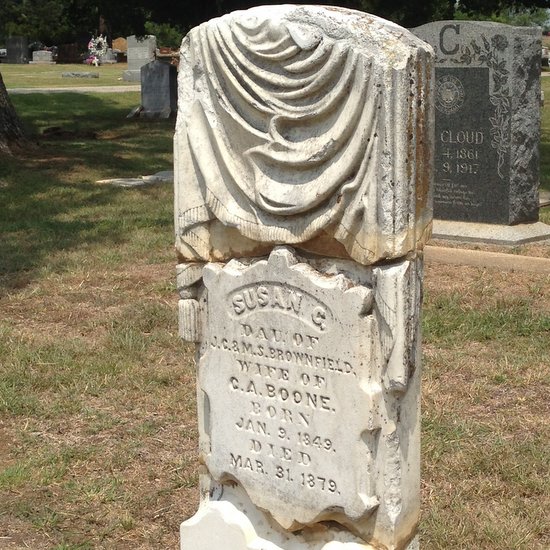
FREE Cemetery Symbols Guide: Would you like a FREE guide to historic cemetery symbolism? If so, click the image below: What does draped cloth signify on a headstone? You know how some folks say a person “saw curtains” as a euphemism for death? Those curtains refer to the veil that separates the living from the dead. In the first photo on this post, the draped cloth simply refers to the person passing from this world to the next. On the next photo, however, the book represents the pages of the deceased person’s life. The cloth falling upon the right side…
Tag: cemetery
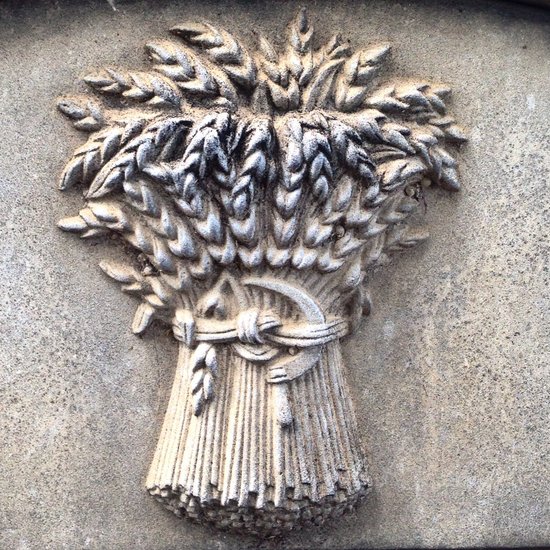
WHAT DOES WHEAT SIGNIFY ON A GRAVE? You don’t have to visit many historic cemeteries for the statistics of life expectancy then-and-now to hit home. It’s one thing, for instance, to read that infant mortality in the United States of America was 90% higher 100 years ago than it is now. It’s quite another experience, however, to walk through a historic cemetery in a town that was hit by disease and see a section full of grave markers for children under 6-years-old. For that reason, I am always happy to spot depictions of wheat on a headstone. Wheat, you see,…
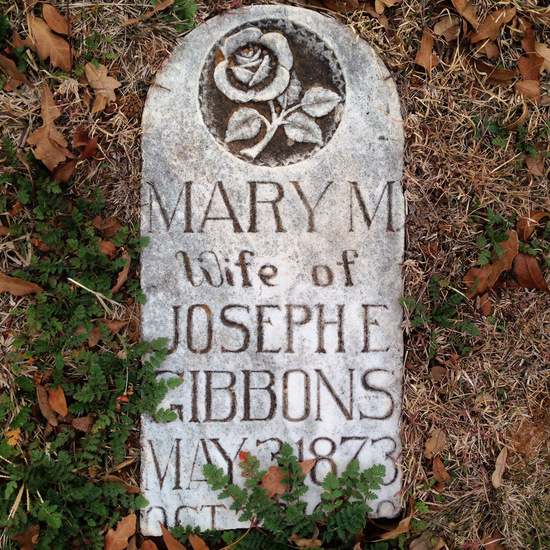
What does a rosebud signify on a headstone? ROSE: Not only do roses represent earthly passion (just think how many are given at Valentine’s Day) but they also stand for heavenly perfection. When carved on a headstone, roses nearly always have 3 leaves. A quick look at my backyard rose bush confirmed that this is not botanically accurate! Symbolically, however, this trio of leaves represents the holy trinity: Father, Son, and Holy Spirit. Rosebuds most often appear on the graves of children and teens as a way of expressing that they were not able to achieve their full potential. A…
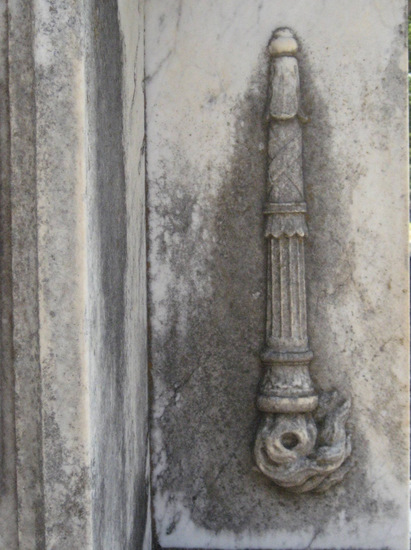
What Do Upside Down Torches Mean on a Grave? UPSIDE DOWN TORCH: If you read my post for J (
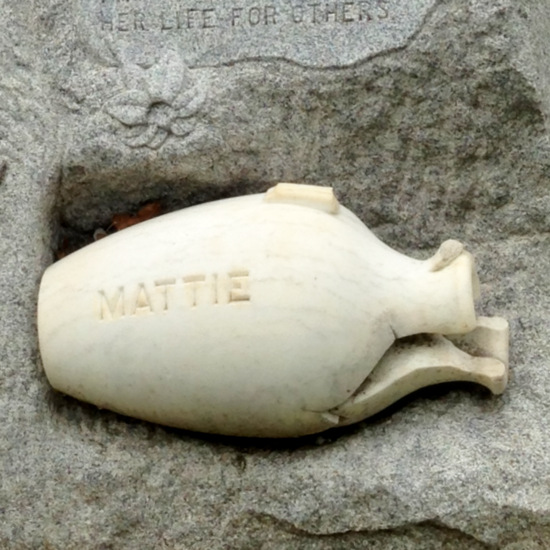
What does a pitcher signify on a headstone? PITCHER: Pitchers mean different things depending on where you are. If you are visiting a Jewish cemetery, then a pitcher at a grave site implies that the person descended from the tribe of Levi. (Levites washed the hands of their priests with water.) If you are in the Christian section of a historic graveyard (as I was when I took the photo you see above), pitchers most often represent a woman of strong moral character, someone who was exceedingly generous, self-sacrificing, and charitable. It can also mean she was a prohibitionist,…
What do obelisks represent? OBELISKS:Despite its origins in worshiping the sun god, Ra, obelisks are a common sight in historic cemeteries. So how did this ancient Egyptian form work its way into Christian symbology? Although they’ve existed for thousands of years, obelisks gained popularity after Napoleon invaded Egypt in the late 1700’s. As the form began to appear in Neoclassical architecture, it made its way into graveyards, where it represents a connection between heaven and earth, as well as power, strength, and fatherhood. In historic cemeteries, an obelisk is often at the center of a family plot, where it represents…